+1.650.671.2023
Physician-Led Perimenopause & Hormone Health Care

Your Body Isn’t Failing You. It’s Changing.

Brain fog, fatigue, sleep problems, weight gain, and cholesterol changes rarely show up alone. They’re usually one pattern.

Dr. Malathi Acharya, MD is a physician-led perimenopause doctor and hormone health specialist serving Palo Alto, Portola Valley, Menlo Park, Los Altos, and the greater Bay Area.

Dr. Malathi Acharya, MDBoard-Certified Internal Medicine Physician
25+ YearsClinical Experience
Fellowship-TrainedIntegrative Medicine

Available to California residents only · telehealth statewide, in-person care in Portola Valley

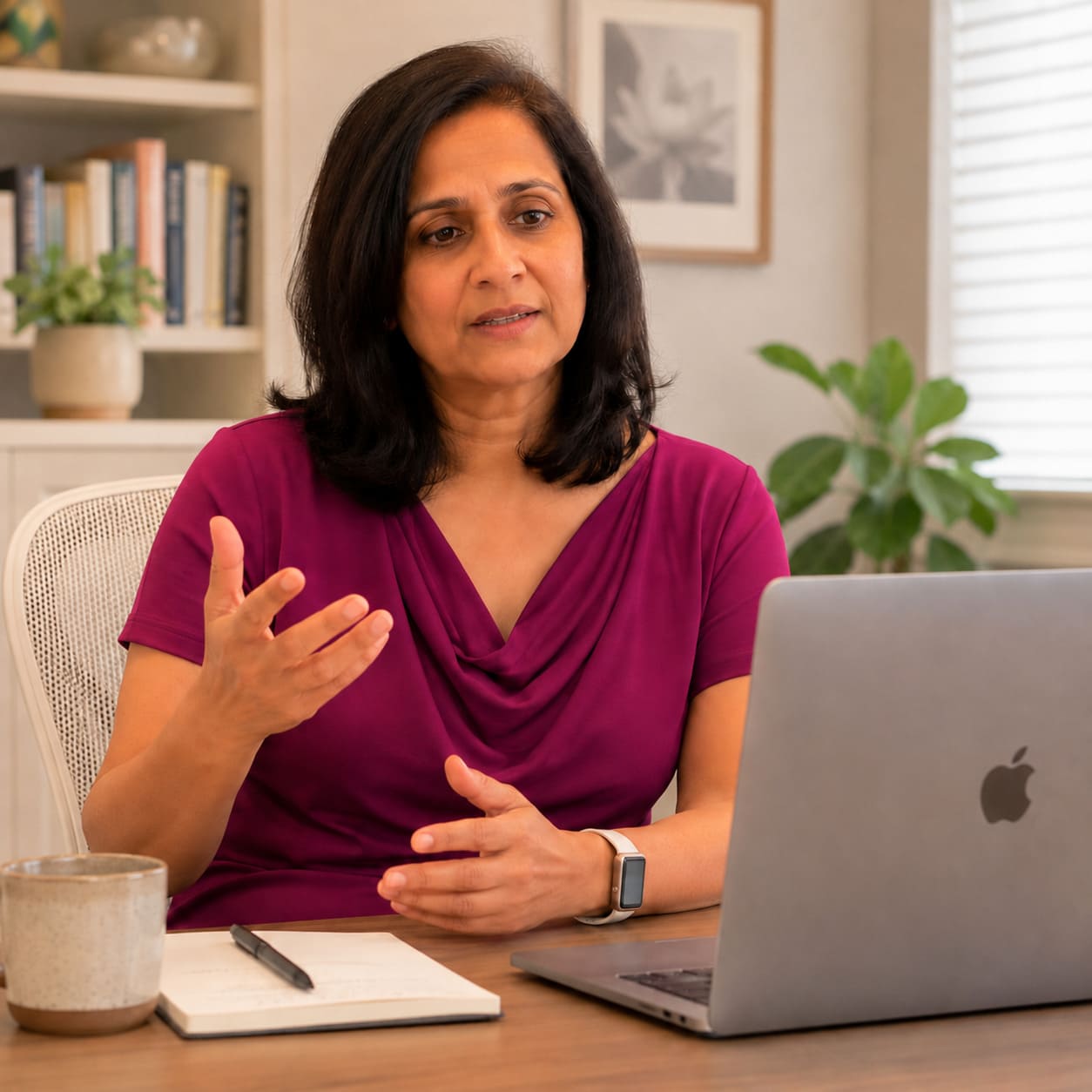
Woman in the Bay Area reflecting during her perimenopause and hormone health journey
You’ve Been Told Your Labs Are Normal

But You Don’t Feel Normal

Most women who come to Ayur aren’t starting from zero. They’ve already seen a doctor, had bloodwork, and been told to sleep more, reduce stress, or wait for symptoms to pass.

What’s often missing is looking at how these changes are interacting: sleep, energy, body composition, cholesterol, cardiovascular risk.

Instead of treating each concern as unrelated, Dr. Malathi looks for the larger clinical pattern.

“Normal results don’t mean nothing is happening. Perimenopause is not one symptom at a time. It is a pattern.”

The goal isn’t to blame every symptom on hormones. It’s to build a thoughtful, personalized care plan.

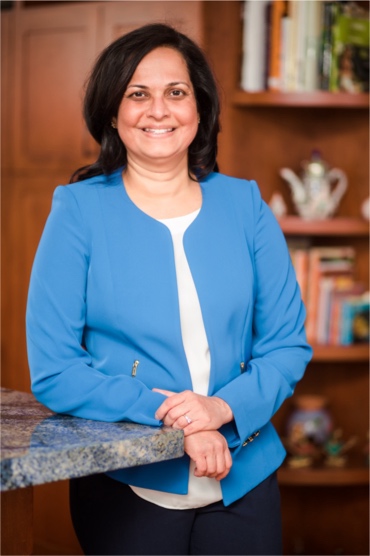
Dr. Malathi Acharya, physician-led perimenopause and hormone health care in the Bay Area
Understanding the Transition

What Is Perimenopause?

Perimenopause is the transition leading up to menopause. For many women, it begins in their 40s, though timing varies from person to person.

Ovarian hormone production becomes less predictable. Menstrual cycles may change, and symptoms can appear months or years before periods stop completely.

You may not feel “sick,” but you may no longer feel like yourself. Strategies that worked for years may stop producing the same results. This is one reason perimenopause can be difficult to recognize.

Perimenopause is primarily understood through your age, menstrual history, symptoms, medical history, and overall clinical picture, not a single hormone level.

Laboratory testing may still be useful for evaluating other conditions, or assessing metabolic, cardiovascular, thyroid, nutritional, or hormonal concerns when clinically appropriate.


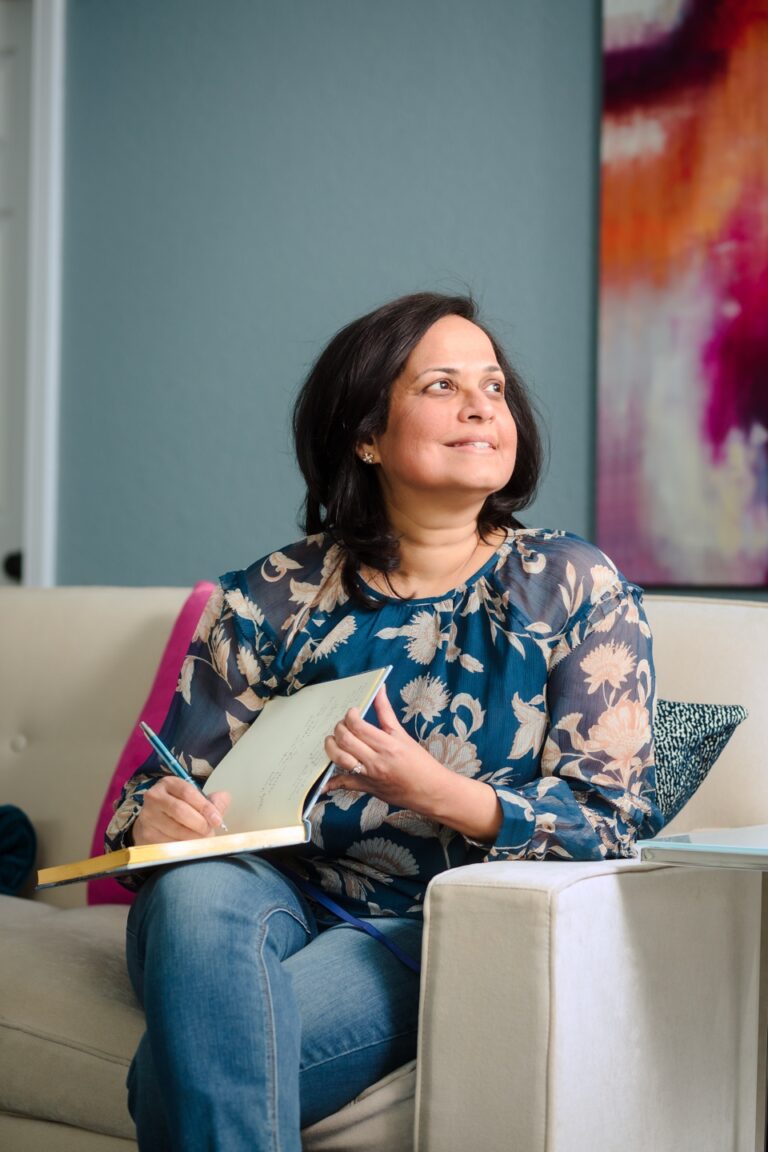
Woman experiencing sleep disruption during perimenopause
More Than the Menstrual Cycle

Common Perimenopause Symptoms & Health Changes

The experience is different for every woman, but common concerns include:

  • Sleep Disruption: Waking during the night, difficulty returning to sleep, or waking feeling unrefreshed. Sleep changes are often among the earliest signs of perimenopause.
  • Brain Fog & Cognitive Changes: Difficulty concentrating, losing words mid-sentence, or feeling mentally slower than usual.
  • Fatigue: Feeling exhausted despite sleeping, or needing more recovery than before. Fatigue should not automatically be attributed to hormones.
  • Weight & Body Composition Changes: Abdominal weight gain or changes in body composition even when diet and activity remain consistent.
  • Mood Changes & Anxiety: Increased irritability, emotional sensitivity, or mood changes that seem disproportionate to what is happening around you.
  • Hot Flashes & Night Sweats: Changes in temperature regulation that disrupt sleep and daytime comfort.
  • Menstrual Changes: Cycles may become shorter, longer, heavier, or less predictable. Significant or unusual bleeding should always be evaluated.
  • Cholesterol & Metabolic Changes: The transition may coincide with changes in cholesterol, blood pressure, insulin sensitivity, and cardiovascular risk. Explore preventive & metabolic health →
  • Sexual & Genitourinary Health: Vaginal dryness, discomfort, changes in libido, or urinary symptoms associated with declining estrogen levels.
Why One Symptom Rarely Tells the Whole Story

The Pattern Matters More Than Any One Symptom

The standard workup often evaluates each concern separately: sleep without hormones, anxiety without disrupted sleep, weight without the menopausal transition. Each concern deserves proper medical evaluation. But the larger picture matters too.

“Most of the women I work with have already seen other physicians. What they needed was someone who could see the full picture.”

★★★★★

What Our Patients Say

5.0 rated on Google Reviews
J.K.
★★★★★
Google Review · edited a month ago

“I cannot recommend Dr. Malathi highly enough. She combines deep expertise in integrative medicine and Ayurveda with genuine kindness, compassion, and presence. She takes the time to understand your entire health history, connecting dots that other practitioners often miss.”

F.G.
★★★★★
Google Review · 5 months ago

“I absolutely love working with Dr. Malathi. She is very kind and caring, extremely detail oriented, and thorough in her research on medical issues. She knows how to create a safe space for you while helping you work through your health issues.”

R.S.
★★★★★
Google Review · 7 months ago

“Dr. Acharya spends a lot of time with her patients and has tailored recommendations instead of a one-size-fits-all approach. She is very accessible and responsive to our messages. I highly recommend Dr. Acharya!”

R.S.
★★★★★
Google Review · a year ago

“Dr. Malathi is an astute and diligent holistic care provider. She is very methodical in the way she asks questions, dives deep, and gets to know her clients. She really cares about making actionable change, with metrics, data, and check-ins.”

A.S.
★★★★★
Google Review · 2 years ago

“Dr. Acharya’s compassionate approach to medicine, coupled with meticulous attention to detail, sets her apart. Her holistic approach integrates mind-body remedies such as dietary adjustments, breathing techniques, meditation, and yoga.”

Physician-Led Perimenopause Care

A Physician Who Understands This Transition

Dr. Malathi Acharya, MD is a Board-Certified Internal Medicine Physician and Diplomate of the American Board of Integrative Medicine.

She spent many years in conventional internal medicine before her fellowship through the Andrew Weil Center for Integrative Medicine, adding nutrition, lifestyle medicine, and mind-body approaches to her practice.

Her own menopausal transition changed how she thinks about women’s health. When her LDL cholesterol rose despite a disciplined diet and strength training, it confirmed what she already knew clinically: this transition can shift cardiovascular and metabolic physiology, even without any change in habits.

A lab result needs context. So does a symptom, and so does your history. Integrative medicine doesn’t replace conventional care. It widens the picture.

Malathi Acharya, MD

Board Certified Internal Medicine Physician badgeBoard-Certified Internal Medicine Physician

Diplomate American Board of Integrative Medicine badgeDiplomate, American Board of Integrative Medicine
Learn More About Dr. Malathi
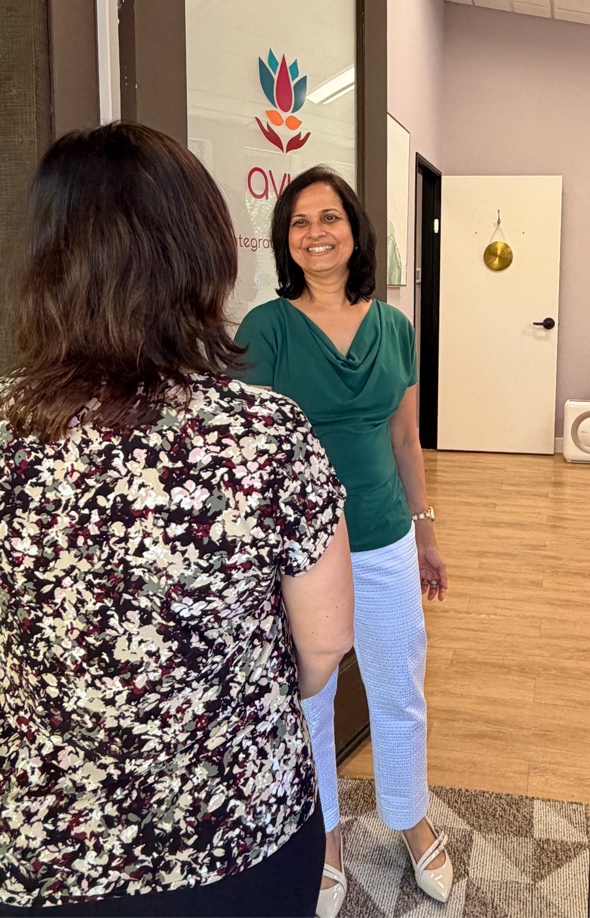
Dr. Malathi Acharya, perimenopause and hormone health physician in Portola Valley
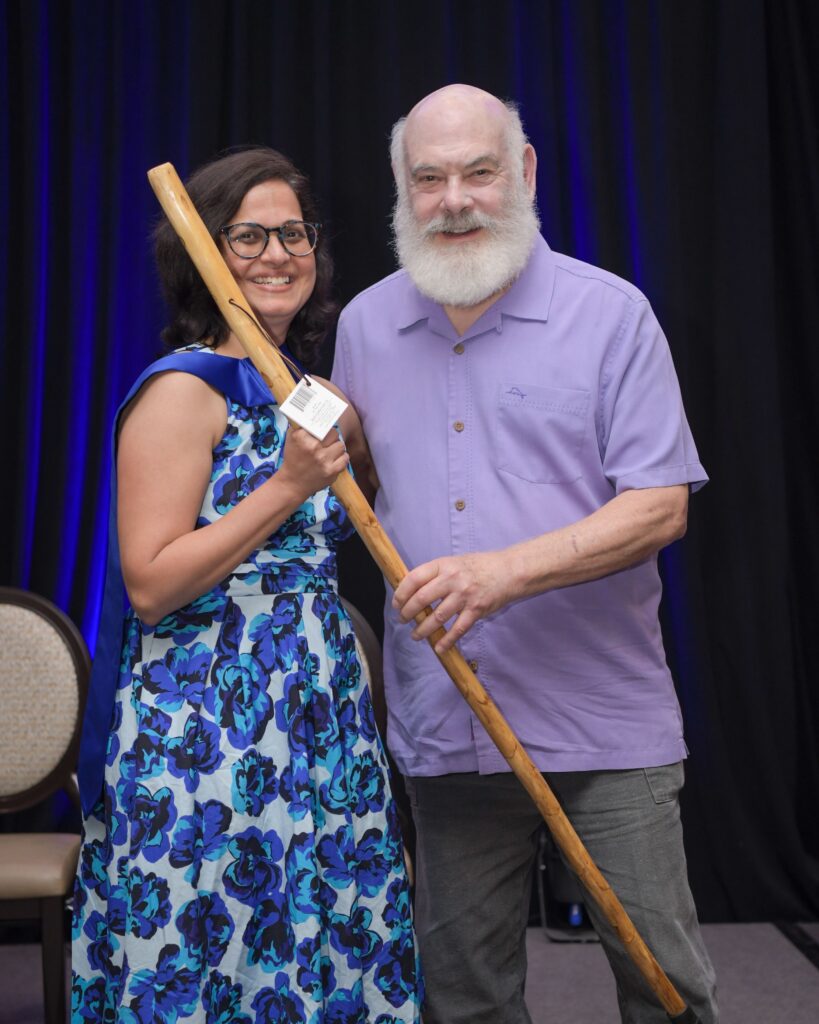
Dr. Malathi Acharya completing her integrative medicine fellowship with Dr. Andrew Weil

Dr. Malathi completing her fellowship through the Andrew Weil Center for Integrative Medicine.

A whole-person approach to perimenopause considering hormones, nutrition, sleep, movement, stress and Ayurveda
Looking at the Whole Picture

A Whole-Person Approach to Perimenopause

Perimenopause can affect several systems at once. That is why care at Ayur may consider multiple areas rather than focusing exclusively on hormone levels. Depending on your clinical picture, your care may include discussion or evaluation of:

  • Hormonal Health: Your menstrual history, menopausal symptoms, reproductive history, medications, and risk factors.
  • Metabolic Health: Blood glucose, insulin resistance, cholesterol, blood pressure, and body composition.
  • Nutrition: Dietary patterns, protein and fiber intake, and eating patterns realistic for your life.
  • Sleep: Sleep quality, nighttime waking, hot flashes, and possible contributors to poor sleep.
  • Movement & Strength: Resistance training, cardiovascular activity, and maintaining muscle and bone health.
  • Stress & Nervous System Health: Emotional resilience, breathing practices, and mind-body strategies.
  • Preventive Health: Cardiovascular health, bone health, metabolic risk, and long-term prevention.
  • Ayurveda: Incorporated when appropriate to complement conventional care. Learn about Ayurveda →
Dr. Malathi Acharya reviewing a patient's health history and evaluation notes
Your Story Comes First

What Does a Perimenopause Evaluation Include?

There is no single “perimenopause panel.” Your evaluation starts with your story: symptoms, medical history, menstrual changes, and lifestyle.

Depending on your situation, it may include lipid profile, blood glucose, fasting insulin, and thyroid function.

It may also include blood pressure, sleep, body composition, family history, and hormonal testing when it would meaningfully inform care.

Hormone levels fluctuate considerably during perimenopause, so Dr. Malathi doesn’t rely on a single result. The clinical picture comes first.

Woman preparing a nutrient-dense meal as part of perimenopause treatment
There Is No Single Perimenopause Protocol

Hormonal & Non-Hormonal Treatment Options

Some women are interested in menopausal hormone therapy. Others prefer non-hormonal approaches. Some use a combination. The appropriate decision depends on your symptoms, medical history, goals, risk factors, preferences, and clinical evaluation.

  • Menopausal Hormone Therapy: When appropriate, Dr. Malathi can discuss FDA-approved hormone therapy options, including potential benefits, risks, and personal and family history.
  • Non-Hormonal Medical Options: Depending on the symptoms being addressed, non-hormonal medical options may also be considered.
  • Nutrition & Metabolic Care: Nutrition, resistance training, sleep, stress management, and cardiovascular risk assessment.
  • Evidence-Informed Supplements & Botanicals: Individualized recommendations reviewed within the context of your medications and overall care plan.
  • Mind-Body Medicine: Breathing practices, mindfulness, stress regulation, and clinical hypnosis where appropriate.
  • Ayurvedic Medicine: Ayurvedic principles may inform individualized nutrition, routine, or botanical recommendations within a broader integrative framework.

“Hormone therapy is not automatically appropriate for every patient. The decision includes discussion of your symptoms, history, and individual preferences.”

Hormone therapy prescribing for Ayur members begins October 2026.

Conventional Precision, Integrative Context

The Integrative Difference

Modern medicine gives us essential diagnostic precision. Integrative medicine helps expand the conversation.

At Ayur, these are not competing systems. Conventional medicine remains the foundation for evaluating symptoms and identifying risk.

It also determines when additional investigation or treatment is appropriate.

Integrative medicine adds a broader discussion around nutrition, lifestyle, sleep, stress, and movement.

It may also include prevention, mind-body health, and Ayurveda, when they can meaningfully complement your clinical picture.

Not a generic “hormone balancing” protocol, but personalized medical care built around your history, your physiology, and the stage of the menopausal transition you are actually in.

What Sets Ayur Apart

What to Expect at Ayur

Unhurried Appointments

Your symptoms and history are given time. The goal is to understand how the pattern developed rather than rushing directly to a treatment recommendation.

Labs Read in Context

A laboratory result is not interpreted in isolation. Dr. Malathi looks at trends, symptoms, family history, medications, lifestyle, and long-term health risk.

Personalized Recommendations

Care is built around the individual. There is no identical protocol for every woman experiencing perimenopause.

Physician Oversight

Your care is led by a physician trained in both internal medicine and integrative medicine.

Longitudinal Care

Perimenopause can unfold over several years. A longitudinal relationship allows Dr. Malathi to follow those changes and adjust care when needed.

Three Steps to a Clearer Map

How Perimenopause Care at Ayur Works

A Thorough Initial Consultation

Not a 15-minute intake. Dr. Malathi reviews your full health timeline and priorities before deciding what happens next.

Evaluation & a Plan Built Through Conversation

Recommendations are based on what’s clinically relevant to you. Everything doesn’t have to happen in one visit.

Ongoing Care Through the Transition

Perimenopause unfolds over time. Longitudinal care allows Dr. Malathi to follow those changes with you.

Beyond the Next Hot Flash

More Than Symptom Management

Many women first seek care because they’re tired, not sleeping, gaining weight, or struggling to concentrate. Those symptoms matter.

But midlife is also a key window for cardiovascular health, cholesterol, insulin resistance, muscle mass, bone health, and healthy aging.

This is why Ayur connects perimenopause care with preventive and metabolic medicine, to understand what this transition means for your health now and in the decades ahead.

Explore Preventive & Metabolic Health
Preventive and metabolic health considerations during perimenopause
A Longer-Term Physician Partnership

The Ayur Membership

Perimenopause care at Ayur is a membership model built for longer-term physician partnership, not isolated appointments.

It may include extended consultations, lab review, personalized care planning, hormonal and non-hormonal options, nutrition and lifestyle guidance, Ayurveda, and mind-body approaches.

Ayur is an out-of-network practice. HSA/FSA eligibility may apply depending on your plan.

Learn About the Ayur Membership
Dr. Malathi Acharya, physician partner for the Ayur Membership
Common Questions

Perimenopause Care FAQs

Integrative perimenopause care combines conventional medical evaluation with a wider assessment of factors such as sleep, metabolic health, nutrition, stress, movement, cardiovascular risk, and lifestyle. At Ayur, Ayurveda and mind-body approaches may also be incorporated where appropriate. The objective is to understand the menopausal transition in the context of the whole person rather than treating every symptom independently.

Perimenopause is generally identified based on your age, menstrual changes, symptoms, and medical history. Cycles may become irregular, and symptoms such as hot flashes, sleep disruption, brain fog, mood changes, fatigue, or changes in menstrual bleeding may appear. Other medical conditions can cause similar symptoms, so a medical evaluation can be helpful when the picture is unclear.

Not necessarily. Hormone levels can fluctuate during perimenopause, so a single laboratory measurement does not always provide a clear answer. Perimenopause is primarily a clinical diagnosis based on symptoms, menstrual history, age, and overall clinical context. Testing may still be appropriate when investigating other potential causes of symptoms or evaluating metabolic, thyroid, cardiovascular, or other health concerns.

Different physicians may provide perimenopause care, including primary care physicians, gynecologists, menopause-focused physicians, and integrative medicine physicians. At Ayur, care is led by Dr. Malathi Acharya, MD, a board-certified internal medicine physician and Diplomate of the American Board of Integrative Medicine. Her approach is particularly suited to women whose concerns extend beyond reproductive symptoms into sleep, metabolism, cholesterol, fatigue, stress, cognition, and preventive health.

No. Hormone therapy may be appropriate for some women, but it is not the only option. Treatment may also include non-hormonal medical options, nutrition, exercise, sleep support, stress management, mind-body medicine, supplements, or other individualized strategies. The appropriate approach depends on your medical history, symptoms, risks, goals, and preferences.

When hormone therapy is clinically appropriate, Dr. Malathi can discuss FDA-approved hormonal options, including products that contain hormones chemically identical to those produced by the human body. Treatment decisions are individualized rather than based on a single standardized protocol. Hormone therapy prescribing for members begins October 2026.

Many women report changes in concentration, memory, word retrieval, and cognitive clarity during the menopausal transition. However, cognitive symptoms can have multiple causes. Dr. Malathi evaluates brain fog in the context of sleep, stress, medications, metabolic health, thyroid function, nutritional factors, and the broader clinical picture.

The menopausal transition can coincide with changes in cardiovascular and metabolic risk factors, including cholesterol. This is one reason preventive health and metabolic assessment are incorporated into Ayur’s perimenopause care. A rising cholesterol level should still be evaluated individually rather than automatically attributed to menopause.

Body composition can change during midlife for several reasons, including hormonal changes, sleep disruption, stress, muscle mass, activity, nutrition, age, and metabolic factors. Rather than assuming weight gain has a single cause, Dr. Malathi evaluates it as part of the broader clinical picture.

Fatigue is commonly reported during perimenopause, particularly when sleep is disrupted. But fatigue can also be associated with thyroid conditions, anemia, nutritional deficiencies, sleep disorders, medications, stress, and other health issues. Persistent fatigue deserves proper medical evaluation.

Yes. Sleep is considered as part of the overall perimenopause evaluation. Care may involve discussion of hormonal symptoms, sleep habits, stress, nervous-system regulation, lifestyle, metabolic health, and other potential contributors.

Yes. Telehealth consultations and ongoing perimenopause care are available for eligible patients throughout California. In-person appointments are available at Ayur Integrative Medicine in Portola Valley. Some services, including acupuncture when offered as part of care, require an in-person visit.

Integrative Medicine in the Bay Area

Perimenopause Care in Portola Valley & the Bay Area

Ayur Integrative Medicine is located in Portola Valley, California, serving women across Palo Alto, Menlo Park, Los Altos, Atherton, Stanford, and the greater Bay Area. Telehealth is available throughout California.

For women searching for a perimenopause doctor in Palo Alto or the Bay Area, Ayur is intentionally different from a high-volume hormone clinic.

Your care is led by Dr. Malathi Acharya, MD, focused on your whole clinical picture, not just prescribing hormones.

Ayur Integrative Medicine · 130 Portola Rd, Suite F, Portola Valley, CA 94028 · +1.650.671.2023

Book a Discovery Call
Perimenopause & Hormone Health Care in the Bay Area

Talk to a Perimenopause Doctor Who Sees the Whole Picture

Book a discovery call with Dr. Malathi Acharya, MD to discuss your symptoms and find out if Ayur’s physician-led approach is right for you.

Medical care is individualized. Information on this page is educational and is not a substitute for medical diagnosis or treatment.