
Life After Treatment Deserves Its Own Kind of Care
Active treatment may end before the fatigue, uncertainty, or changes it left behind do.
Dr. Malathi Acharya, MD provides physician-led integrative survivorship care to help you rebuild strength and energy, working alongside your oncology team in Portola Valley and across the Bay Area.


Dr. Malathi Acharya, MD
Board-Certified Internal Medicine Physician & Diplomate of the American Board of Integrative Medicine, fellowship-trained through the Andrew Weil Center for Integrative Medicine.
The Finish Line Isn’t Always What You Expected
Finishing active treatment is often described as a celebration, and for many patients it does bring real relief. But it can also bring a quieter, more complicated feeling: the structure of frequent appointments disappears, and what remains is fatigue, uncertainty, and a body that may not feel like it used to.
Questions often surface once the intensity of treatment has passed:
- Why am I still so tired months later?
- How do I rebuild strength safely?
- What should I eat to support recovery?
- Is this normal, or should I be concerned?
- How do I manage the fear of recurrence?
- What long-term health risks should I be watching for?
Integrative survivorship care creates space to work through these questions with a physician, rather than assuming everything you feel now is simply something to push through.
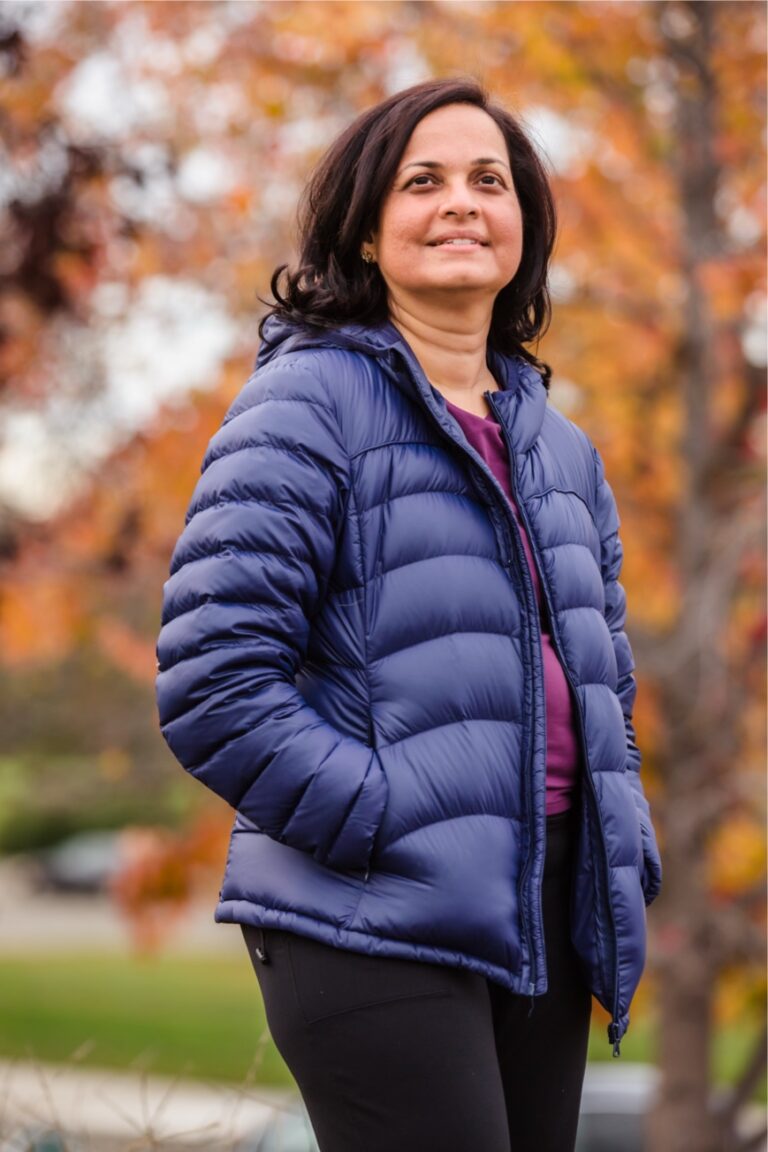
A Message From Dr. Malathi Acharya
Patients often tell me they expected to feel like celebrating once treatment ended, and instead they felt lost. The calendar that once organized their days is gone, and what is left is fatigue, uncertainty, and a body that needs time to recover.
At Ayur, I help you rebuild at a realistic pace. Together, we look at your strength, energy, nutrition, sleep, and the metabolic and cardiovascular effects treatment may have left behind, alongside the ongoing surveillance from your oncology team.
There is no fixed timeline for feeling like yourself again. My role is to help you understand what your body needs at each stage of that process.
Dr. Malathi Acharya, MD
Board-Certified Internal Medicine Physician · Diplomate, American Board of Integrative Medicine · Fellowship-Trained in Integrative Medicine


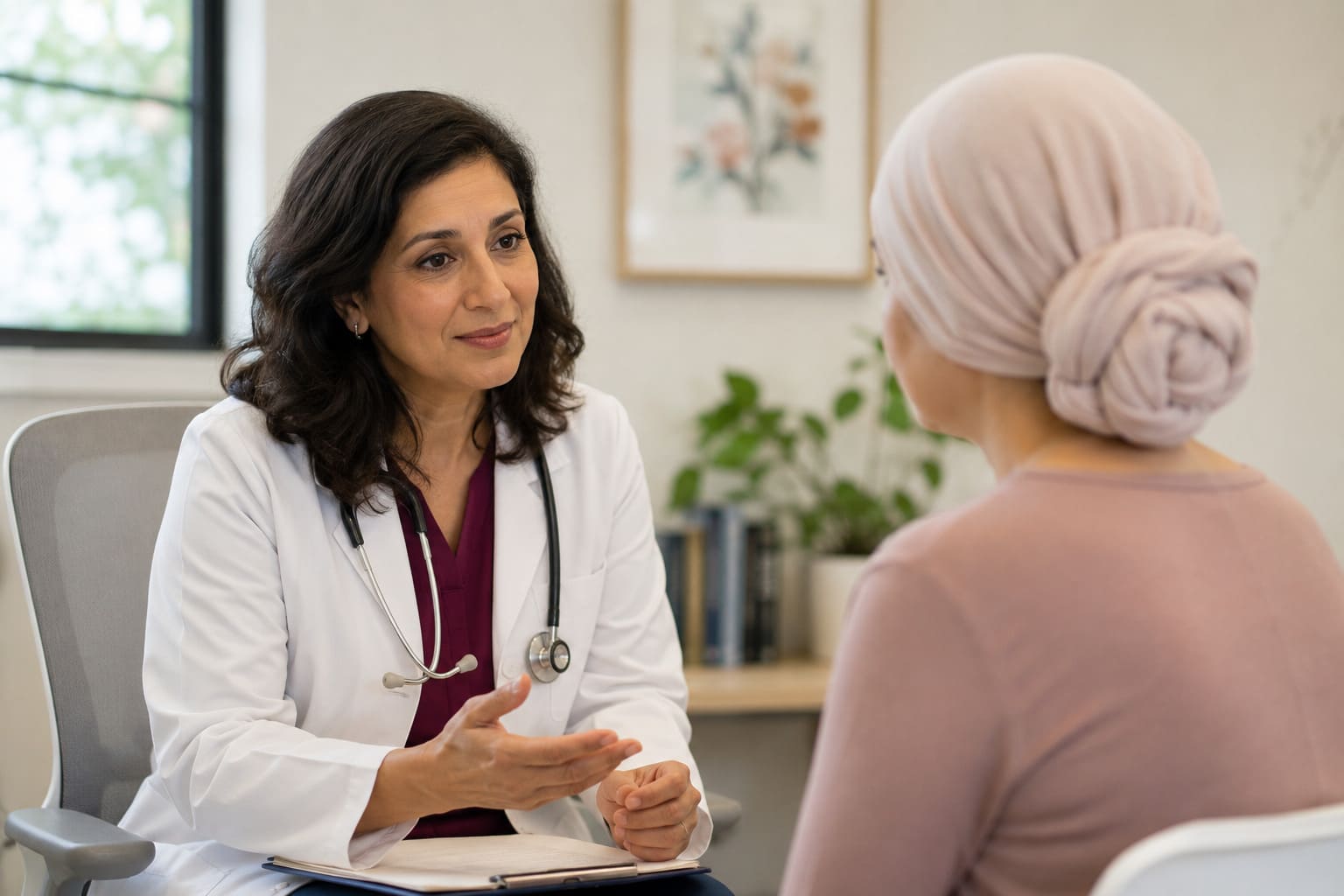
Integrative Care Continues Alongside Your Follow-Up Team
Your oncology team remains responsible for surveillance: scans, labs, and monitoring for recurrence. That does not change once active treatment ends.
Integrative survivorship care has a different role: it looks at the rest of your health during recovery.
- Strength & movement — rebuilding at a pace matched to your recovery.
- Nutrition — restoring energy and supporting healing.
- Sleep & fatigue — addressing what may still be lingering.
- Emotional adjustment — support for fear of recurrence and identity shifts.
- Metabolic & cardiovascular health — effects treatment may leave behind.
- Medication & supplement review — safety during recovery.
- Long-term planning — a realistic path back to full health.
The purpose is not to create an alternative surveillance plan. It is to make sure the rest of your health is not overlooked once active treatment ends. Explore Ayur’s full approach to integrative cancer care →
When Every Ache Feels Like Something More
Many survivors describe a heightened awareness of their body after treatment.
A minor headache, a new ache, or an approaching scan can bring back the same anxiety felt at diagnosis, even years later.
This reaction has a name — fear of recurrence, or “scanxiety” — and it does not mean anything is wrong with you.
“Fear of recurrence is one of the most common things I hear from survivors, and one of the least often addressed. It deserves real attention, not just reassurance to stop worrying.”— Dr. Malathi Acharya, MD
What We Look at Together
There is no fixed survivorship protocol. Your care should reflect your diagnosis, treatment history, current symptoms, follow-up schedule, and priorities, in coordination with your oncology team.

Rebuilding Strength and Movement
Deconditioning is common after treatment, even for patients who were active before. Care may focus on gradually rebuilding mobility and strength, matched to your surgical recovery, blood counts, and any lingering symptoms.
Nutrition for Recovery
Appetite, taste, and digestion can take time to return to normal. Recommendations consider your current nutritional status, weight changes, and energy needs, rather than a generic post-cancer diet.
Sleep and Lingering Fatigue
Fatigue is one of the most common and least discussed effects of cancer treatment, and it can persist well after treatment ends. We look at contributing factors — sleep, thyroid health, anemia, deconditioning, and medications — rather than assuming it is simply something to endure.
Metabolic and Cardiovascular Health
Certain cancer treatments can affect long-term cardiovascular and metabolic risk. This is one reason preventive health and metabolic assessment are part of survivorship care at Ayur.
Emotional Adjustment and Fear of Recurrence
Returning to daily life after treatment can bring grief, anxiety, or a shift in identity that is rarely discussed. Mind-body strategies and, when appropriate, referrals for additional mental health support may be part of your plan.
What You May Be Feeling Is Part of the Conversation
A survivor may be dealing with several things at once, long after treatment has ended. Integrative medicine creates space to discuss these concerns together, instead of treating every issue as if it exists in its own separate silo.
Physical
- Lingering fatigue
- Changes in body composition
- Joint pain or neuropathy
- Treatment-induced menopause
Mental & Emotional
- Fear of recurrence
- Scanxiety before follow-ups
- Shifts in identity
- Grief for who you were before
Practical
- Returning to work
- Coordinating follow-up care
- Explaining changes to family
- Rebuilding routines
Before You Start a New Supplement or Fitness Regimen
Once active treatment ends, it is natural to want to take back control — overhauling your diet, starting an intense exercise program, or adding supplements meant to “detox” the body. But your body is still recovering, and you may still be in a surveillance period where certain interactions matter.
The question should not simply be “Is this natural?” A better question is: “Is this appropriate for where my body is right now, and does my oncology team know I’m considering it?”
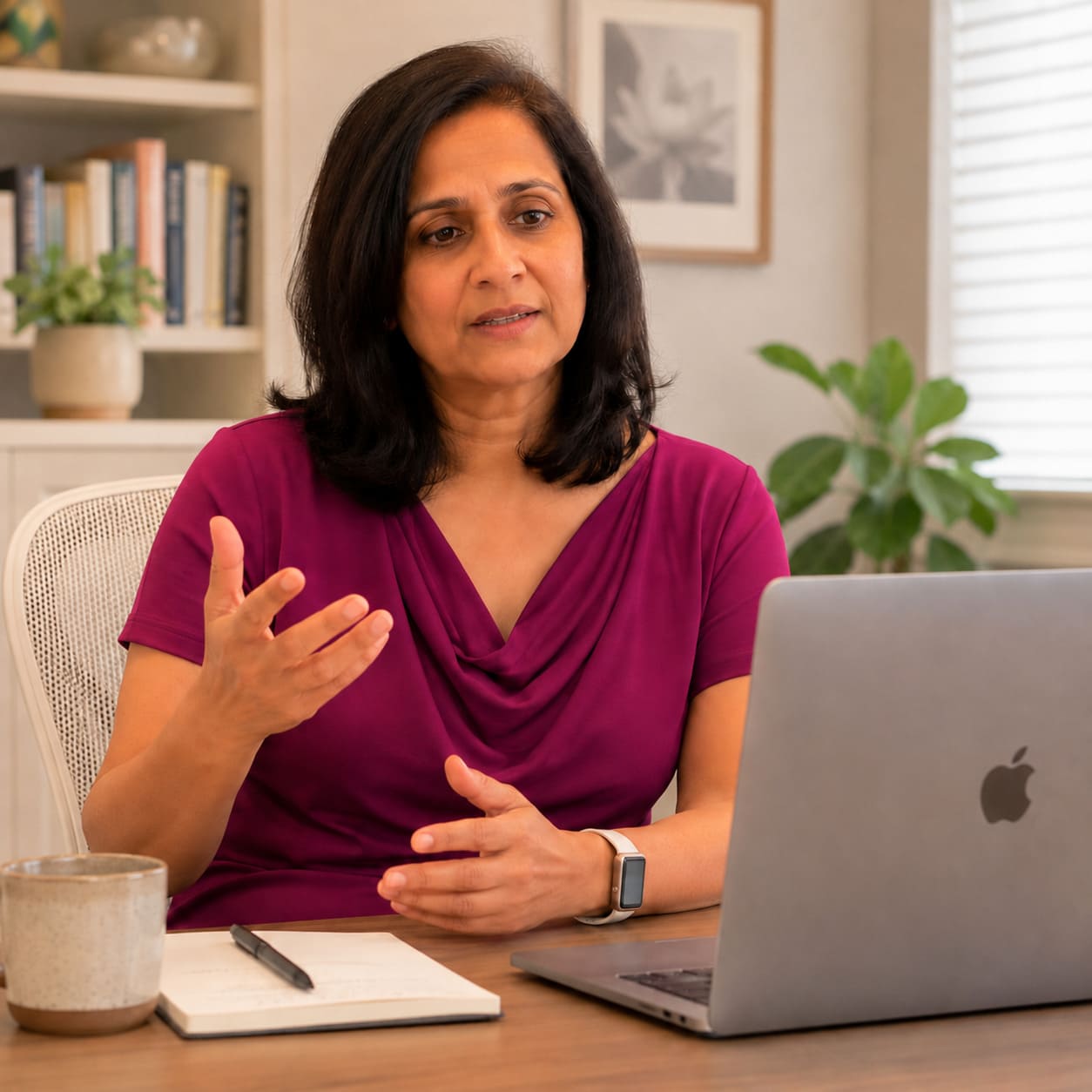
Preparing for Your Survivorship Consultation
You do not need to have everything organized before asking for support. However, having a few pieces of information available can make the consultation more useful. When possible, bring or have access to:
- Your survivorship care plan — if your oncology team provided one, or a summary of your treatment history.
- Your follow-up schedule — upcoming scans, labs, or oncology visits.
- Persistent symptoms — fatigue, pain, sleep issues, or anything that has not resolved.
- Your current medications and supplements — names, doses, or photographs.
- Recent labs or imaging — useful context when reviewing your overall health.
- Your questions — write down anything on your mind, even if you are unsure whether it matters.
Questions Worth Asking During Survivorship
Follow-up appointments can move quickly, especially once they become less frequent. Some questions you may want to discuss with your oncology team include:
- What is my survivorship care plan?
- What late effects should I watch for?
- How often will I need scans or labs going forward?
- What symptoms should prompt an immediate call?
- Is it safe for me to resume exercise or start supplements?
- What is my individual risk of recurrence?
- Should I see a genetic counselor?
- Who manages my care between oncology visits?
Your integrative physician can also help you organize questions and identify areas that may need further discussion with your oncology team.
Recovery Is Not a Straight Line
There is no fixed timeline for feeling like yourself again. Some weeks feel like real progress, and others feel like a step backward, and both are a normal part of recovery. Rather than chasing every wellness trend at once, a more useful starting point is establishing priorities:
- What needs medical attention now?
- What can appropriately support your recovery?
- What is unnecessary right now?
- What should wait until your follow-up plan is clearer?
A thoughtful integrative plan should simplify your recovery, not add another overwhelming list of things you are expected to do.
Stabilize. Rebuild. Restore.
Survivorship care at Ayur unfolds in three stages: stabilizing your health and understanding where you are now, rebuilding strength, nutrition, and energy at a realistic pace, and restoring the routines and sense of self that treatment may have interrupted.

What Integrative Survivorship Care Can and Cannot Do
Integrative survivorship care can:
- Support strength, nutrition, and energy during recovery
- Address lingering fatigue and sleep disruption
- Evaluate metabolic and cardiovascular effects of treatment
- Offer practical strategies for fear of recurrence
- Help you organize questions for your oncology team
Integrative survivorship care does not:
- Replace your oncology surveillance schedule
- Guarantee that cancer will not return
- Diagnose or interpret scans and labs
- Promise a fixed recovery timeline
- Recommend abandoning appropriate follow-up care
Your ongoing cancer surveillance remains under the direction of your oncology team.
Serving Portola Valley and the Bay Area
Ayur Integrative Medicine is located in Portola Valley, California, serving patients from Palo Alto, Menlo Park, Los Altos, Atherton, and communities throughout the Bay Area.
For survivors, the focus is not on adding as many therapies as possible. It is on creating a thoughtful, medically grounded plan for the recovery you are actually experiencing.
Ayur Integrative Medicine · 130 Portola Rd, Suite F, Portola Valley, CA 94028 · +1.650.671.2023
Clear answers for life after treatment
Fatigue can persist for months, and for some patients longer. It may involve sleep, thyroid health, anemia, deconditioning, or medications, so persistent fatigue deserves a proper medical review rather than being dismissed as expected.
Yes, this is common and often called fear of recurrence or scanxiety. It does not mean something is wrong. Integrative care can offer practical strategies alongside your ongoing oncology surveillance.
This depends on your diagnosis, treatment, surgical recovery, and any lingering symptoms. Dr. Malathi helps you find an appropriate, gradual starting point in coordination with your oncology team.
Yes. Your oncology team continues to direct surveillance, scans, and monitoring for recurrence. Integrative care at Ayur is complementary and does not replace ongoing oncology follow-up.
Integrative care may offer supportive strategies for lingering fatigue, sleep disruption, changes in body composition, and metabolic or cardiovascular effects of treatment.
It is a summary from your oncology team outlining your treatment history, recommended follow-up schedule, and potential late effects to watch for. Bringing this to your consultation can be very useful.
Ayur serves patients from Palo Alto, Menlo Park, Los Altos, Atherton, and the broader Bay Area. Telehealth availability can be discussed when scheduling.
Recovery Deserves the Same Care as Treatment Did
Book Your Discovery CallAyur Integrative Medicine provides supportive integrative care and does not replace diagnosis, treatment, or recommendations from your oncology team.