
You Don’t Have to Face Cancer Alone
A new cancer diagnosis can change the rhythm of life almost overnight — appointments to schedule, treatment options to understand, and decisions that may feel urgent.
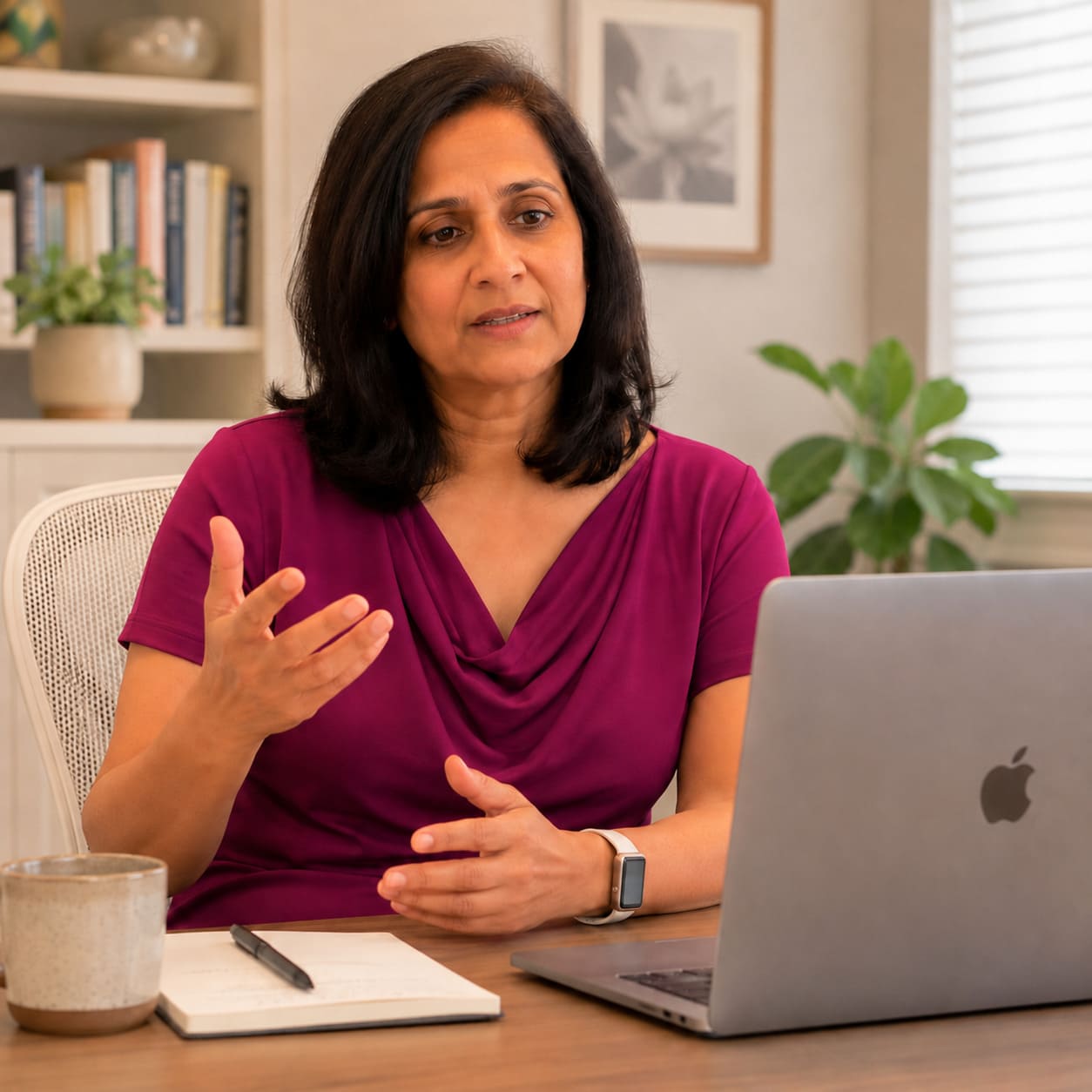
Dr. Malathi Acharya, MD provides physician-led integrative cancer care for people who have recently been diagnosed, working alongside your oncology team in Portola Valley and across the Bay Area.

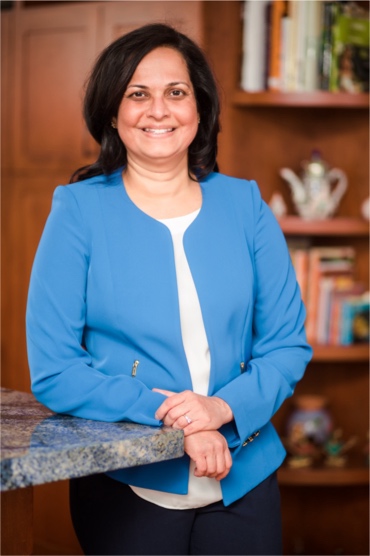
Dr. Malathi Acharya, MD
Board-Certified Internal Medicine Physician & Diplomate of the American Board of Integrative Medicine, fellowship-trained through the Andrew Weil Center for Integrative Medicine.
What Happens After a Cancer Diagnosis?
For many patients, the period immediately after diagnosis is one of the most difficult parts of cancer care. You may be moving between imaging appointments, pathology reports, consultations, and treatment discussions while trying to understand what everything means.
Questions often begin accumulating quickly:
- What should I be eating right now?
- Should I change the supplements I take?
- How can I prepare physically for treatment?
- What can I do about anxiety or poor sleep?
- How do I know whether a complementary therapy is safe?
- How can I support myself without interfering with my cancer treatment?
Integrative cancer care creates space to discuss these questions within a medical framework. Rather than piecing together information online, you can review your health, goals, symptoms, medications, and planned treatment with a physician who understands both conventional and integrative medicine.
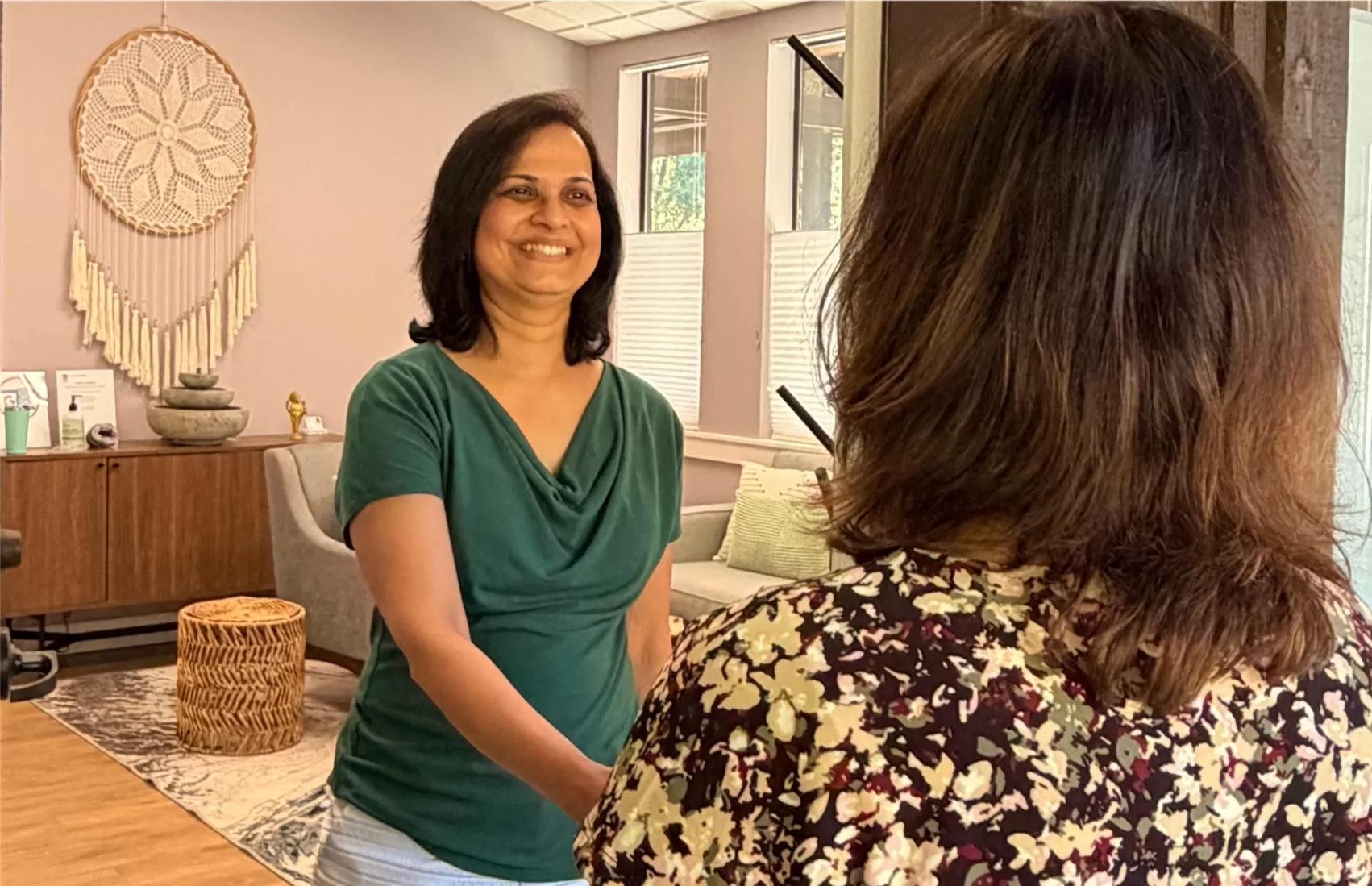
A Message From Dr. Malathi Acharya
Being newly diagnosed with cancer can feel overwhelming. You are suddenly making decisions about treatment, trying to manage fear, fatigue, and uncertainty, all while continuing to show up for everyday life.
At Ayur, I help you find your footing. Together, we look at your health beyond the diagnosis alone and create a personalized plan that complements the care you are receiving from your oncology team. That may include conversations about nutrition, sleep, physical activity, stress, symptoms, medications, supplements, and mind-body support.
Most importantly, you have a physician who can help you evaluate these pieces together, rather than leaving you to navigate them on your own.
Dr. Malathi Acharya, MD
Board-Certified Internal Medicine Physician · Diplomate, American Board of Integrative Medicine · Fellowship-Trained in Integrative Medicine

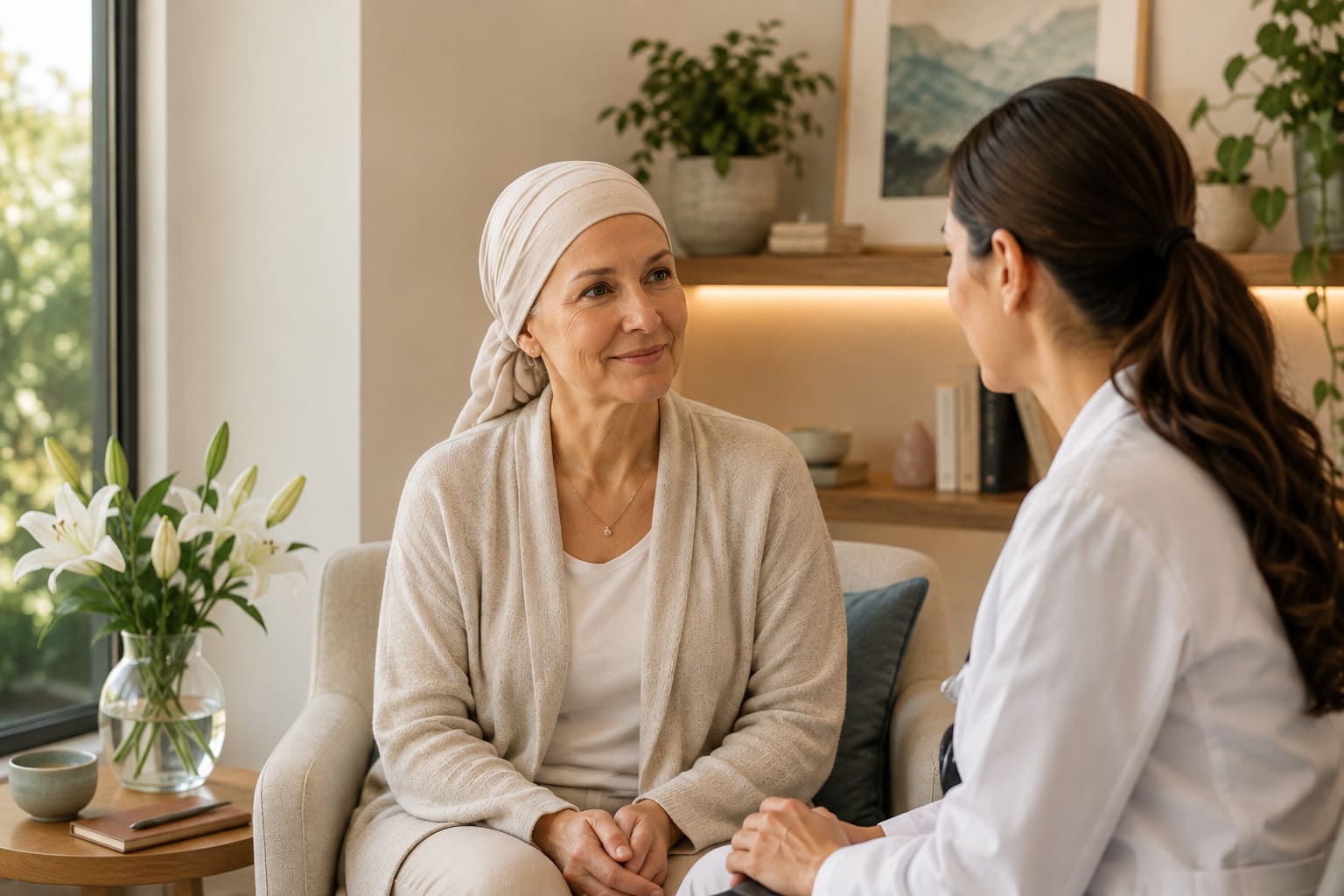
Integrative Care Works Alongside Your Oncology Team
Your oncology specialists remain responsible for diagnosing and treating the cancer itself. Your oncologist, surgeon, radiation oncologist, and other cancer specialists guide decisions about surgery, chemotherapy, radiation, immunotherapy, and other cancer-specific treatments.
Integrative cancer care has a different role: it looks at the whole person alongside the cancer diagnosis.
- Nutrition — guidance shaped by treatment, appetite, and symptoms.
- Sleep — practical strategies for a demanding period.
- Movement — activity matched to your ability and stage of treatment.
- Stress & emotional wellbeing — mind-body support when appropriate.
- Medication & supplement review — safety alongside your treatment.
- Treatment-related symptoms — fatigue, appetite, and recovery.
- Overall resilience — quality of life during and after treatment.
The purpose is not to create an alternative cancer treatment plan. It is to make sure the rest of your health is not ignored while cancer treatment becomes the focus. Explore Ayur’s full approach to integrative cancer care →

Finding Calm and Clarity in a Time of Uncertainty
A cancer diagnosis can make life feel very narrow, very quickly.
Appointments, treatment decisions, test results, and questions about the future can begin to occupy nearly every part of the day.
At the same time, your body and mind are still responding to stress, sleep disruption, fatigue, and everything else that was already part of your life.
“The focus is not on promising a particular outcome. It is on helping you make thoughtful decisions, identify what may safely support you, and reduce some of the confusion that can come with navigating cancer care alone.”— Dr. Malathi Acharya, MD
What We Look at Together
There is no universal integrative cancer protocol. Your care should reflect your diagnosis, treatment plan, medical history, medications, symptoms, and priorities, and the guidance of the physicians treating your cancer.

Nutrition During Cancer Care
A cancer diagnosis often leads people to reconsider everything they eat, which can also expose them to restrictive diets and claims that particular foods can treat cancer. At Ayur, recommendations consider your appetite, weight changes, digestive symptoms, and protein and energy needs. The goal is not a universal “cancer diet,” but a way of eating that supports your strength during treatment.
Supplements and Medication Safety
Many patients begin researching vitamins, herbs, and antioxidants after diagnosis. More is not always better — some supplements may interact with medications or be inappropriate during certain phases of treatment. Dr. Malathi reviews prescription and over-the-counter medications, vitamins, herbal products, and supplements together, so decisions happen in the context of your medical care rather than in isolation.
Sleep and Recovery
Sleep can change dramatically after a diagnosis. Anxiety, appointments, and treatment can all interrupt routines. Rather than treating sleep as an isolated problem, we look at the factors contributing to it and discuss supportive strategies that make sense within your broader medical situation.
Movement and Physical Function
Movement does not have to mean intense exercise. Depending on your diagnosis and treatment plan, care may focus on maintaining mobility, preserving strength, gentle walking, or simply reducing prolonged inactivity. The right level of activity varies from person to person.
Stress, Fear, and Emotional Wellbeing
Cancer affects more than the physical body. Mind-body strategies — breathing practices, mindfulness, meditation, and guided relaxation — may be incorporated when appropriate. The goal is not to tell you to “stay positive.” It is to provide practical ways to manage a genuinely difficult experience.
What You May Be Feeling Is Part of the Conversation
A newly diagnosed patient may be dealing with several things at once. Integrative medicine creates space to discuss these concerns together, instead of treating every issue as if it exists in its own separate silo.
Physical
- Fatigue
- Sleep disruption
- Changes in appetite
- Pain or discomfort
Mental & Emotional
- Fear
- Difficulty concentrating
- Information overload
- Anxiety before appointments
Practical
- Multiple specialists
- New medications
- Conflicting recommendations
- Questions about food & supplements
Before You Start Adding New Supplements or Therapies
After a cancer diagnosis, it is natural to want to take action. You may feel drawn to supplements, new diets, fasting protocols, or other complementary approaches. But adding more is not automatically better — this is particularly important if you are preparing for or receiving chemotherapy, immunotherapy, radiation, surgery, hormonal therapy, or targeted therapy.
The question should not simply be “Is this natural?” A better question is: “Is this appropriate for me, and is it compatible with the treatment I am receiving?”
Preparing for Your First Integrative Cancer Consultation
You do not need to have everything organized before asking for support. However, having a few pieces of information available can make the consultation more useful. When possible, bring or have access to:
- Your diagnosis — the type of cancer and any information about stage, pathology, or biomarkers.
- Your proposed treatment plan — surgery, chemotherapy, radiation, immunotherapy, or other treatments being discussed.
- Your current medications — prescription and over-the-counter.
- Your supplements and herbs — names, doses, or photographs of anything you are taking.
- Recent labs or imaging — useful context when reviewing your overall health.
- Your questions — write down anything on your mind, even if you are unsure whether it matters.
Questions Worth Asking After a New Cancer Diagnosis
Cancer appointments can move quickly, and it is easy to leave realizing you forgot something important. Some questions you may want to discuss with your oncology team include:
- What exactly is my diagnosis?
- What are the goals of the recommended treatment?
- What are the potential side effects?
- Is there anything I should avoid during treatment?
- Could my medications or supplements interfere with treatment?
- What symptoms should prompt me to contact your office?
- What level of physical activity is appropriate for me?
- Who should I contact between appointments?
Your integrative physician can also help you organize questions and identify areas that may need further discussion with your oncology team.
Your First Weeks Do Not Need to Become a Second Full-Time Job
A cancer diagnosis can trigger an enormous amount of research. Within days, you may encounter podcasts, diets, supplement protocols, and contradictory recommendations, and the volume of information can become another source of stress. You do not need to implement everything at once. A more useful starting point is establishing priorities:
- What needs medical attention now?
- What can appropriately support you during treatment?
- What is unnecessary?
- What should wait until your oncology plan is clearer?
A thoughtful integrative plan should simplify your care, not add another overwhelming list of things you are expected to do.
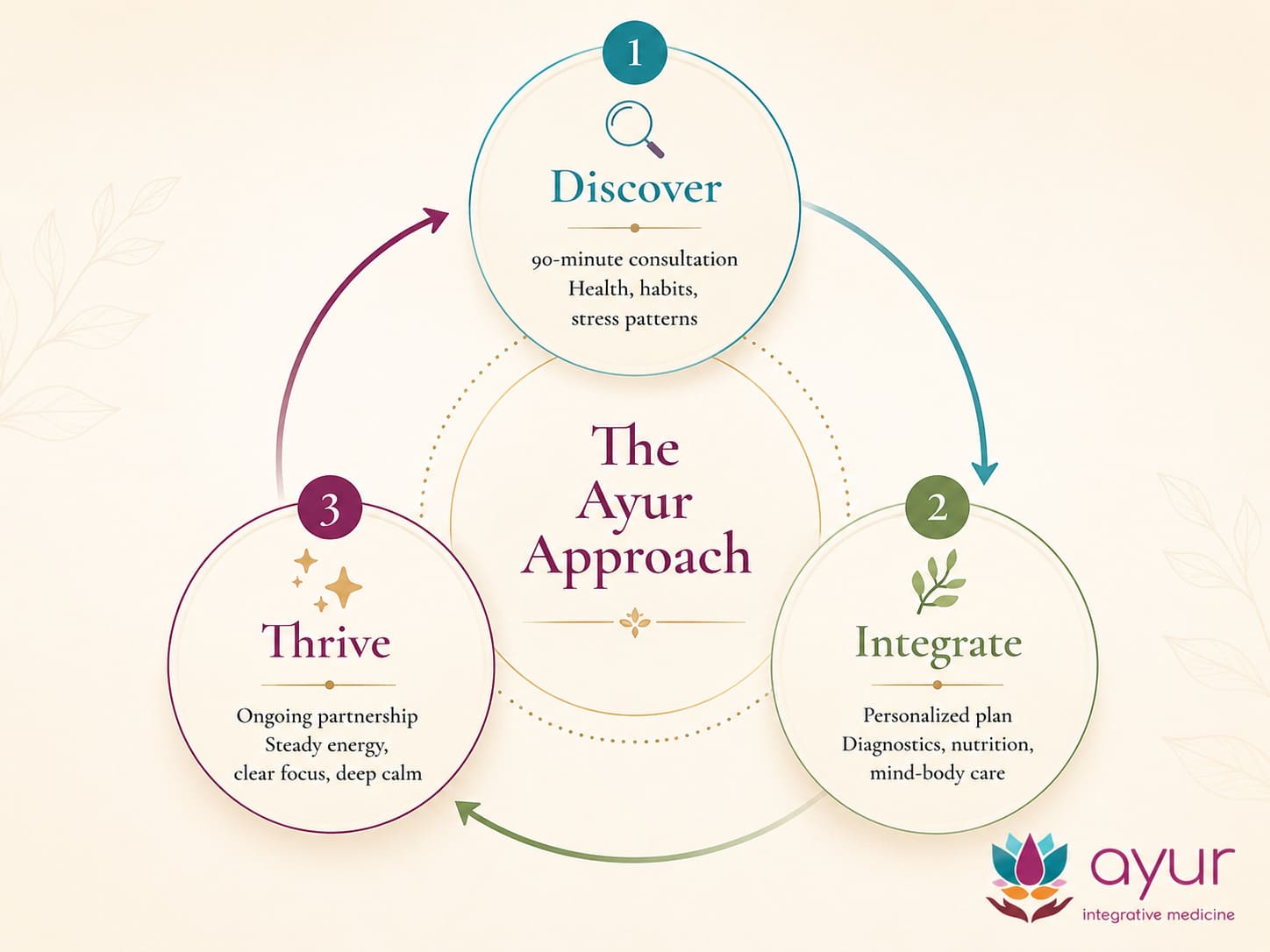
Discover. Integrate. Thrive.
Ayur’s approach unfolds in three stages: a comprehensive consultation to understand your current situation, a personalized plan designed to work alongside your oncology treatment, and an ongoing partnership that evolves as your needs change.
What Integrative Cancer Care Can and Cannot Do
Integrative cancer care can:
- Support whole-person health alongside oncology treatment
- Help you evaluate nutrition and lifestyle questions
- Review supplements and potential safety concerns
- Address sleep, stress, fatigue, and recovery
- Help you organize questions for your oncology team
Integrative cancer care does not:
- Replace your oncologist
- Replace medically indicated cancer treatment
- Guarantee that side effects will be prevented
- Promise a particular cancer outcome
- Recommend abandoning appropriate conventional care
Your cancer treatment remains under the direction of your oncology team.
Serving Portola Valley and the Bay Area
Ayur Integrative Medicine is located in Portola Valley, California, serving patients from Palo Alto, Menlo Park, Los Altos, Atherton, and communities throughout the Bay Area.
For patients at the beginning of cancer care, the focus is not on adding as many therapies as possible. It is on creating a thoughtful, medically grounded plan around the care you already need.
Ayur Integrative Medicine · 130 Portola Rd, Suite F, Portola Valley, CA 94028 · +1.650.671.2023
Clear answers for a new diagnosis
Yes. You do not need to wait until treatment begins. An early consultation can review your overall health, medications, supplements, and lifestyle, and help you organize questions for your oncology team.
No. Integrative cancer care at Ayur is complementary to conventional oncology. Your oncologist and cancer specialists remain responsible for treating the cancer itself.
Do not make changes based solely on general website information. Supplements are worth reviewing carefully, since what is appropriate may depend on your medications and treatment plan.
Integrative care may include supportive strategies for fatigue, sleep disruption, stress, nutrition, and physical function, tailored to your treatment.
There is no single diet appropriate for every person with cancer. Recommendations at Ayur are individualized rather than built around a rigid universal plan.
Ayurveda is one component of Dr. Malathi’s broader integrative approach and is never used as a substitute for appropriate oncology treatment.
Ayur serves patients from Palo Alto, Menlo Park, Los Altos, Atherton, and the broader Bay Area. Telehealth availability can be discussed when scheduling.
You Do Not Need to Navigate Every Decision Alone
Book Your Discovery CallAyur Integrative Medicine provides supportive integrative care and does not replace diagnosis, treatment, or recommendations from your oncology team.